Our Story
Founded by and for Karimojong pastoralists — how MADEFO began, what we stand for, and
what we’ve learned in 26+ years of work in Karamoja.
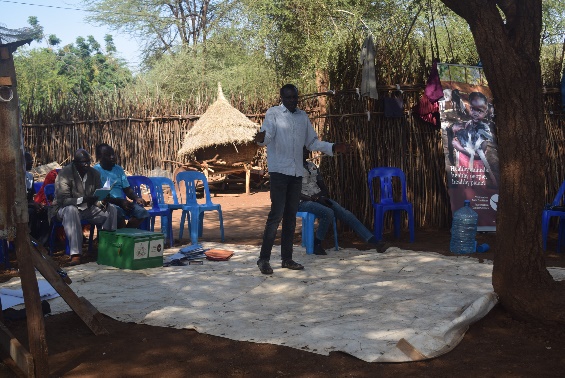
Formed by the Karimojong civil society, for the Karimojong civil society
MADEFO INITIATIVE UGANDA (MADEFO) was established in December 1998 as a local
indigenous organization to support Karimojong pastoralists to improve their livelihoods.
MADEFO is a legal entity registered with the National NGO Board in 2000 and with the
Registrar of Companies in 2001.
The organization was formed as a response by the Karimojong civil society, experiencing
many pressing issues affecting the Karimojong, specifically those living in Matheniko
County of Moroto District. Among the issues underlying MADEFO’s formation are pervasive
poverty and livelihood insecurity, a low human development index, human rights violations
resulting from violent armed conflict and the disarmament programme, the devastating
state of the environment, and a high rate of illiteracy.
Today MADEFO is governed by a General Assembly and a seven-member, woman-led Board of
Directors, with 13 full-time staff and 7 volunteers delivering programs across five
districts in Karamoja.
Our Vision
An empowered Karimojong people living in a peaceful and poverty-free environment.
Our Mission
To strengthen the capacity of indigenous Karimojong to promote human rights in attaining
and maintaining appropriate pastoral production strategies for sustainable livelihoods
security and peaceful co-existence.
Our Values
- Justice and equity
- Trust and honesty
- Transparency and accountability
- Team spirit
- Community-driven development
- Zero tolerance to corruption
What we’re working toward
Peace & Governance
Sustainable peace, human rights and good governance in Karamoja.
Sustainable Livelihoods
Supporting Associate Community Groups and improved livestock production and animal
health.
Natural Resource Management
Improved provision of water for livestock and pastoral communities.
Institutional Capacity
Strengthening MADEFO’s own capacity to deliver and sustain its programs.
Gender & Market Access
Mainstreaming gender, access to markets, and community-managed disaster risk
reduction.
Networking & Advocacy
Lobbying and advocacy on common pastoral issues, alongside partner organizations.
What our approach has achieved
Real outcomes from working through pastoral traditional institutions rather than around
them.
Peace corridors
Cross-community reconciliation
Working with pastoral traditional institutions as an approach to peace building has
resulted in peace between the Pokot, Tepeth and Matheniko communities on the Southern
livestock corridor, and between the Matheniko and the Turkana.
Community institutions
VICOBA, PFS, CAHWs, CWU, NARUCs & VDCs
These community structures — Village Community Banks, Pastoralist Field Schools,
Community Animal Health Workers, Community Water User Committees, Natural Resource
Users’ Councils, and Village Development Councils — have been pillars of every MADEFO
project.
Animal health
Community-led veterinary service delivery
Delivering animal health services through mobile pastoral communities is an approach
appreciated by both communities and government.
Reformed warriors
From gun drop-outs to livestock traders
Groups of reformed warriors and gun drop-outs have been trained, linked to village
banks, and facilitated into forming a livestock traders association.
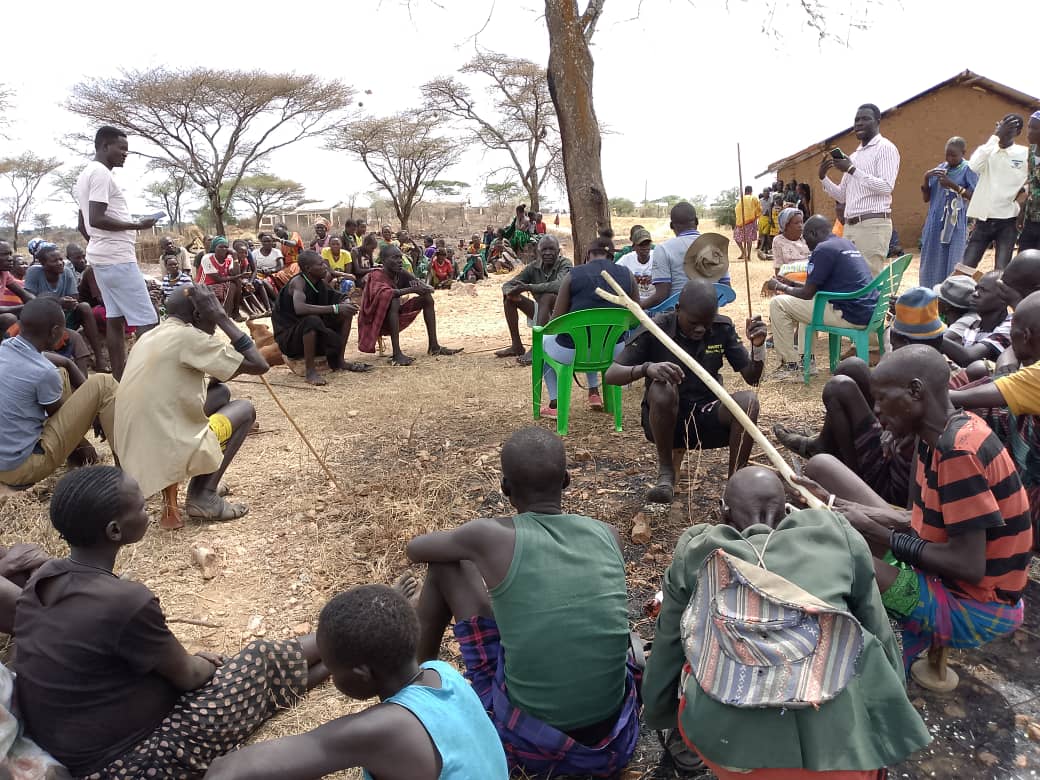
Central & South Karamoja
MADEFO’s core operating area is Matheniko County of Moroto District and Loroo sub-county
in Amudat District — a semi-arid pastoralist livelihood zone covering Katikekile,
Nadunget, Rupa and Tapach sub-counties, home to two Karimojong groups, the Tepeth and
Matheniko.
Through human rights and peace-building programs, we also reach as far as Lorengedwat
sub-county in Nakapiripirit District, Napak District, Kotido District, and across the
border into Lodwar, Loima and West Pokot in Kenya.
MorotoAmudatNakapiripirit
NabilatukNapakKotido
Strategic partners
Built on strong collaboration
We work closely with national and local government, academic institutions, and community
structures, alongside these partners:
- VSF Belgium
- Oxfam NOVIB
- DANIDA / DIHR
- GIZ Ag Ploutos
- Concern Worldwide
- Welthungerhilfe (WHH)
- CordAid
- NGO Forum
- Riamiriam CSO
- Sasakawa Africa Association